January 15, 2026
Your home is about to undergo a significant transformation with the installation of a new roof, and choosing the right roofing contractor plays a major role in that experience. While the process is exciting, it often comes with questions and uncertainties that homeowners want to address upfront. In this article, we'll walk you through each step of the installation, explain what you can expect along the way, and offer tips to help ensure the project goes smoothly. By understanding every phase and preparing accordingly, you can reduce surprises, plan for potential contingencies, and enjoy a new roof that enhances your home's appearance and protects it from the elements.
Preparing and Planning for the Project
Before embarking on a roof installation project, evaluating your current roofing needs is crucial. Consider the reasons for the new roof, such as age, damage, or design upgrades. Take stock of any particular features your roof may require, like specific insulation or ventilation needs. Consulting with a professional roofing inspector can identify problematic areas and help define your project scope. This step sets the foundation for the entire project, guiding budgeting and material selection.
Estimating the cost is an integral part of planning your roof installation. A comprehensive budget includes materials, labor, and possible contingencies. Acquiring multiple quotes from contractors will give a frame of reference for expected expenses. Allocate a portion of your budget for unforeseen repairs that could arise once the old roof is removed. Having a well-thought-out budget can prevent financial strain and ensure the project is completed efficiently.
Establishing a practical timeframe helps manage expectations and keeps the project on track. Factors influencing the timeline include the roof size, complexity, and local weather conditions. According to This Old House, installing a new roof typically takes between one and three days for a 1,600-square-foot home. Allocate extra time for unexpected delays like weather disruptions or supply chain issues. A realistic schedule helps streamline the process and minimizes disruptions to your daily life.
Getting Your Home Ready for Installation
Confirming favorable weather conditions ensures a smooth installation process. Roofing projects are sensitive to adverse weather such as rain, wind, or extreme temperatures. Check forecasts regularly leading up to and during the project to mitigate surprises. Communicate with your contractor to adjust plans if significant weather changes occur. Proactive weather consideration safeguards materials, workmanship, and your property's overall integrity.
Inside your home, certain preparations ensure protection during construction. Roof work can cause vibrations, potentially dislodging wall-mounted items. It's wise to remove valuable objects, secure furniture under plastic sheeting, and cover sensitive electronics. This not only protects your belongings but also aids in maintaining a clear workspace, reducing distractions for contractors. Taking these precautions ensures a smooth installation with minimal household disruption.
Creating a secure work area is crucial for avoiding accidents and injuries. Ensure the contractor erects clear barrier delineations around the site, restricting unauthorized entry, especially by children. Keep pets indoors to prevent curious exploration of the construction space. A quality roofing contractor should provide safety measures like hard hats and eye protection for everyone present. Establishing clear job site boundaries and regulations keeps workers and residents safe throughout the process.
Removing the Existing Roof
The first step in removing the old roof is conducting an initial inspection. This provides an opportunity to photograph existing conditions for reference. Documenting previous damage or potential concerns facilitates addressing post-construction claims. The contractor will verify structural integrity and identify any areas requiring specific attention. This preparation ensures an informed approach to the subsequent steps of demolition and installation.
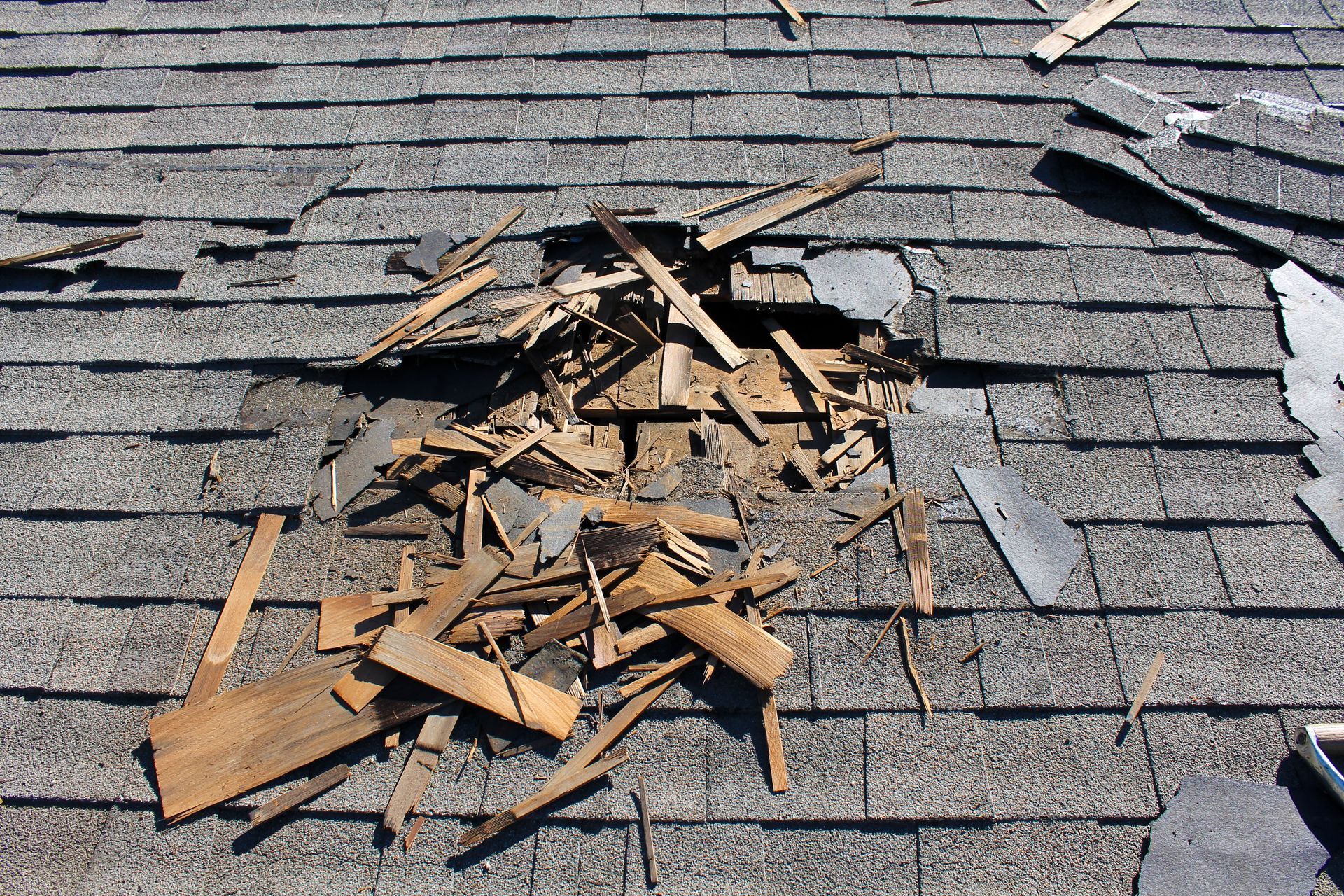
Removing old shingles is a crucial step in any roof replacement, and working with an experienced roofing contractor ensures the job is handled safely and efficiently. Professionals use specialized tools to lift and dispose of aging materials, preventing damage to the underlying structure. Safety precautions, including proper protective gear, are essential due to the risk of stray nails and debris during this phase. Completing the removal thoroughly creates a solid and reliable foundation for new roofing materials. This process also reveals any hidden issues beneath the old roof, allowing for timely repairs that strengthen the overall integrity of your home.
The roof deck forms the structural base onto which new materials are secured. Cleaning and preparing this layer involve resecuring loose elements and addressing imperfections. Inspecting for any areas warranting additional support prevents future structural complications. Adequate preparation may require moisture barriers or sealing to enhance weather resistance. Ensuring a solid foundation is critical for the quality and durability of forthcoming installations.
Installing the New Roof
Underlayment is the hidden layer that provides essential preliminary weather protection beneath your visible roofing, and a skilled roofing contractor ensures it is installed correctly. Made of durable waterproof materials, this barrier helps defend your home against rain, ice, and moisture intrusion. Proper installation requires laying the underlayment evenly and carefully, avoiding gaps or overlaps that could compromise its performance. When secured with precision, this layer becomes a crucial component in your roof’s ability to withstand harsh elements.
Flashing is a critical component placed around vents, chimneys, and valleys where water infiltration can occur. Made of metal, it directs water away, thus preventing leaks and structural damage. Correct placement forms a tight seal, minimizing exposure to potential water entry points. Contractors must ensure that flashing is compatible with roofing materials to avoid galvanic corrosion. Effective flashing installation secures your home against water infringement.
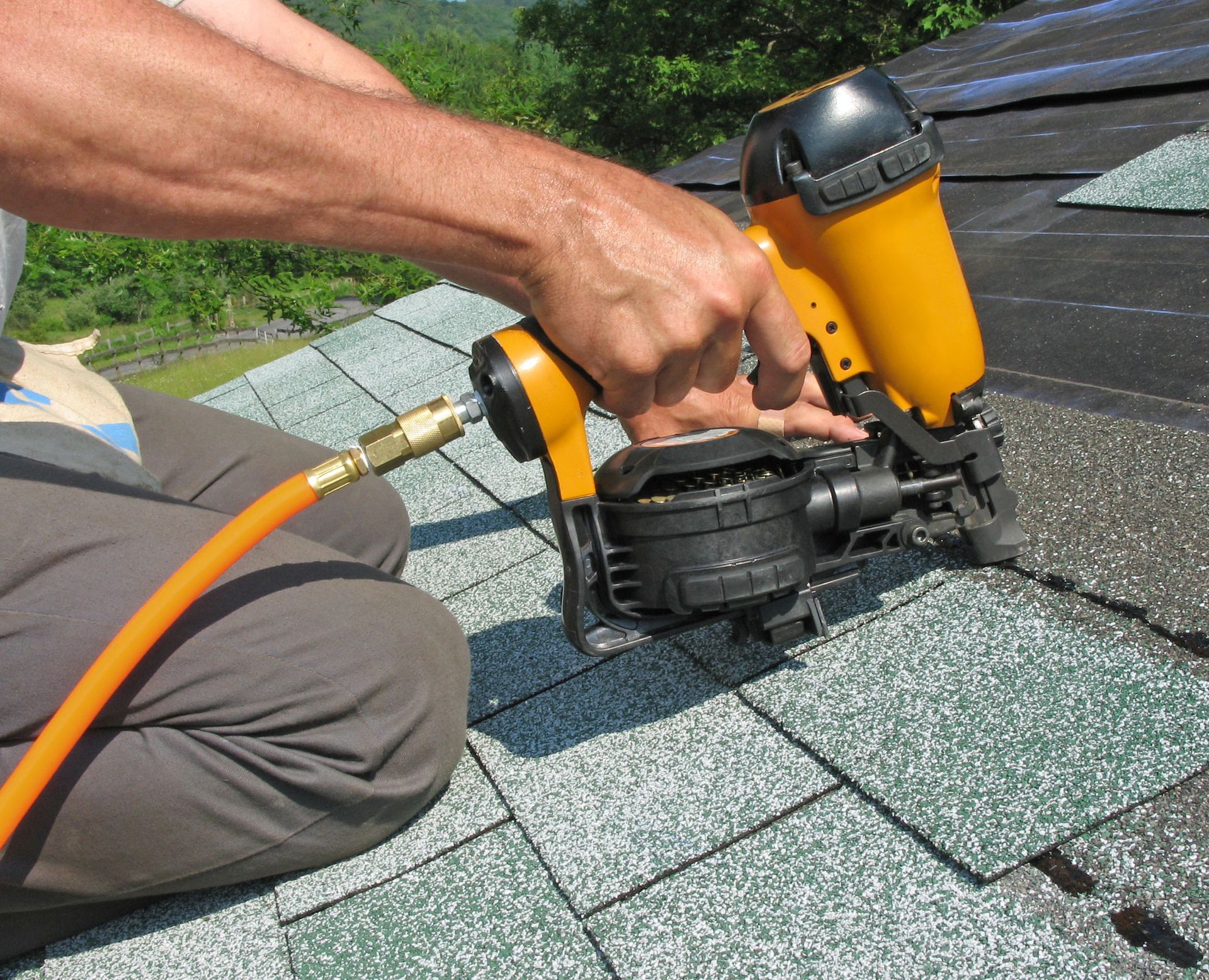
Shingles provide the outermost protection and aesthetic appeal to your home. This stage involves precise methods aligning shingles symmetrically and securely fastening them for durability. Variable materials may demand specific angles or techniques, dictating the final application process. Utilization of high-quality shingles extends roof lifespan, reducing long-term maintenance needs. Proper placement supports resistance to weather challenges, ensuring lasting integrity.
Completing Cleanup and Finalizing the Project
Efficient cleanup is essential to restore order once the project is complete, and a dependable roofing contractor ensures this step is handled thoroughly. Roofing work often leaves behind nails, scraps, and other debris that must be carefully removed to maintain a safe environment. Using tools like magnetic sweepers helps collect hazardous materials quickly and effectively. A clean, debris-free property reflects the contractor’s professionalism and leaves homeowners with confidence in their home's refreshed appearance.
Final inspections confirm the integrity of the roof before project completion. These evaluations involve both contractor guidance and homeowner involvement in understanding the installation's results. Checking for unexpected blemishes or installation deviations gives assurance of adherence to standards. This collaborative process confirms satisfaction and builds consensus on the achieved vision. The thorough examination fosters trust in a lasting installation without premature concerns.
Recognizing and resolving homeowner inquiries reassures them of the roofing venture's success. Open channels for discussing observations encourage confidence and transparency. Contractors should promptly address concerns, facilitating necessary alterations or guidance. Positive rapport through effective communication maintains customer satisfaction and establishes reliability. Responsiveness to questions solidifies professional relationships post-summary of roof replacement.
Understanding the phases of a new roof installation can help you manage the process more effectively and ensure a successful outcome. By preparing adequately, choosing the right materials and roofing contractor, and maintaining the new roof, you can extend its lifespan and protect your home for years to come. Stay informed, stay prepared, and enjoy the peace of mind that a new, reliable roof provides. Contact P. L. Mountzoures, Inc to learn more or to schedule a roofing installation.